

Al-Nassr FC Introduction, Establishment and History
Al-Nassr FC is a familiar name in Saudi Arabian football. The club is located in the capital of the country, Riyadh. Over time, Al-Nassr became well known beyond Saudi Arabia. However, the club had to wait many years to reach this position. Initially, it was a simple local football team in Riyadh.
What is Al-Nassr FC and where is it located?
Al-Nassr Football Club, abbreviated as Al-Nassr FC, is a professional football club in Saudi Arabia. The club is based in Riyadh. This city is very important in Saudi Arabian football, and Al Nassr has long been one of the most well-known clubs in Riyadh.
‘Al-Nassr’ is an Arabic name, which means victory. The name reflects the idea of victory, which has become closely connected with the club’s identity over the years.
The journey began in 1955
Al-Nassr FC was founded on October 24, 1955. At that time, football in Saudi Arabia was not as professional as it is now. The main thing was to play football at the local level and compete with different teams.
Read more:
The club’s journey began with the efforts of two brothers from the Al-Ja’ba family. Their goal was to create a football team in Riyadh, where local players would have the opportunity to practice and play matches regularly.
In the beginning, the club’s facilities were quite limited. The players practiced at the local field. Over time, the team became more organized and began to perform well in various competitions.
Role of Prince Abdul Rahman bin Saud

Prince Abdul Rahman bin Saud is an important name in the history of Al-Nassr. He played a major role in the development of the team after being associated with the club for a long time.
During his time, efforts were made to further organize the club’s activities. More importance was also given to improving the quality of players and building a strong team. For this reason, his contribution to the history of Al Nassr is remembered separately.
Promotion to the First Division in 1963
Al-Nassr gradually strengthened its position from the beginning. The team got the opportunity to rise to the higher level by performing well in the lower level competitions.
In 1963, Al Nassr achieved promotion to the First Division. This was an important step in the history of the club. After rising to the first division, the team got the opportunity to play against stronger opponents. At the same time, the way was also paved for introducing themselves on the big stage of Saudi football.
After that, Al-Nassr’s recognition was not limited to Riyadh. The team also started to make its presence known regularly in major competitions in Saudi Arabia.
The rise of the 1970s and 1980s
The 1970s and 1980s were particularly important in the history of Al Nassr. During this time, the team became one of the strongest clubs in Saudi football. In addition to good results in domestic competitions, several talented players also increased the club’s reputation.
Among the players discussed during this time were Majed Abdullah, Fahd Al-Bishi and Mohaisen Al-Jam’an. They were known as the Saudi Golden Trio in Saudi football.
Majed Abdullah
Majed Abdullah is one of the most important players in Al-Nassr’s history. His goal-scoring skills and performances in the attack made him particularly popular with the fans. His name therefore comes up repeatedly when talking about the club’s past successes.
Fahd Al-Bishi and Mohaisen Al-Jam’an
Fahd Al-Bishi and Mohaisen Al-Jam’an were also important Saudi footballers of that time. Their skills strengthened Al-Nassr’s attack. The presence of these three players makes the team’s success at that time more memorable.
Success in domestic football
In the 1970s and 1980s, Al Nassr achieved several important successes in Saudi Arabian domestic football. Good results in competitions such as the Saudi League and the King’s Cup strengthened the team’s position.
As a result of these successes, Al-Nassr’s fan base also increased. The club, which started in Riyadh, gradually became one of the most well-known football teams in Saudi Arabia.
Al-Nassr’s rise was a gradual process. Promotion to the First Division and the success of players such as Majed Abdullah helped build the foundation for the club’s future. And players such as Majed Abdullah, Fahd Al-Bishi and Mohaisen Al-Jam’an made that period a memorable chapter in Al-Nassr’s history.
Since the Majed Abdullah era, Al-Nassr’s Asian success and the 2000 Club World Cup
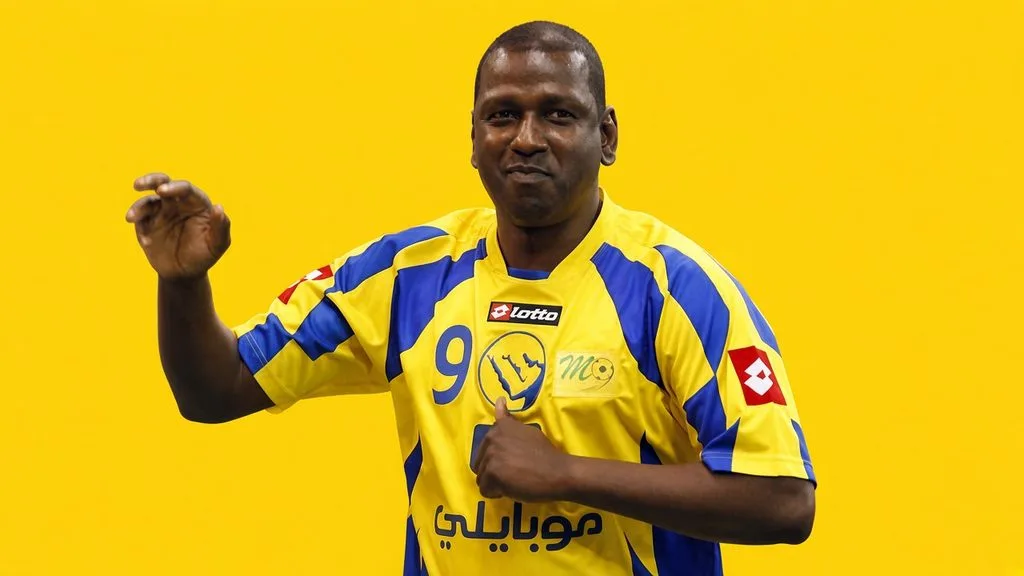
Al Nassr achieved several important successes from 1989 to 2000. This period in the club’s domestic and international football is therefore particularly memorable. During this period, the club showed its strength in the domestic football of Saudi Arabia as well as on the Asian stage. The name of the legendary footballer Majed Abdullah is most associated with this period.
Continuous success in domestic football
In the 1990s, Al Nassr established itself as a strong team. After winning the King’s Cup in 1990, the club moved towards greater success. Then, in the 1993–94 season, it won the Saudi League and again in the 1994–95 season. These successes for two consecutive seasons further strengthened Al-Nassr’s position in domestic football.
Then, in the 1997–98 season, another title was added to the club’s trophy list by winning the Federation Cup. However, the story of this period does not end with just trophies. Majed Abdullah’s contribution to the team’s success was also very important.
Majed Abdullah: Al-Nassr Legend
Majed Abdullah is one of the biggest names in Al-Nassr history. He played for the club for a long time and earned a special place among the fans for his extraordinary goal-scoring skills.
His great strength was getting to the goal at the right time, taking advantage of opportunities and scoring goals for the team in important matches. Therefore, for Al-Nassr fans, he was not just a striker; he was a symbol of a successful era for the club.
Majed Abdullah also played an important role for the Saudi national team. After a long career, he retired from football in 1998. His retirement marked a time of great change for Al Nassr.
Big success on the Asian stage in 1998
The year 1998 is particularly memorable in Al-Nassr’s history. That year, the club won the Asian Cup Winners’ Cup. Winning the title against clubs from across Asia helped increase Al-Nassr’s international profile.
They also won the Asian Super Cup that same year. As a result, Al Nassr won two consecutive Asian titles in 1998. After these two titles, Al-Nassr’s reputation in Asian football also increased.
2000 FIFA Club World Championship
The next big chapter in Al-Nassr’s international history came in 2000. After their Asian success, they got the opportunity to play in the FIFA Club World Championship. They were the first Asian club to participate in this competition.
In the group stage, Al-Nassr’s opponents were Corinthians, Real Madrid and Raja Casablanca. They lost to Corinthians 2–0. Then they lost to Real Madrid 3–1. However, Al-Nassr fought hard against Raja Casablanca and won 4–3.
Playing against teams such as Real Madrid and Corinthians was a major experience for Al-Nassr. Among them, the victory against Raja Casablanca is also memorable for the team.
FIFA Fair Play Award and “Al-Alami”
In the 2000 competition, Al Nassr won the FIFA Fair Play Award. At the same time, the club’s recognition in international football continued to grow.
From this time on, the name “Al-Alami” became more and more associated with Al Nassr. The nickname generally means “The Global One.” Due to playing against clubs from different countries around the world, this identity was associated with the 2000 Club World Championship.
Al Nassr took several important steps forward between 1989 and 2000. Domestic league and cup success, Majed Abdullah’s extraordinary career, two Asian titles in 1998 and the 2000 Club World Championship—all of this period has been an important chapter in Al-Nassr’s history.
Hard times, reconstruction and Al-Nassr’s turnaround
Al-Nassr’s history was not always successful. After the international success of 2000, the club went through a few difficult years. Especially after the retirement of Majed Abdullah, an old era of the team ended. It took time to build a strong team with new players.
2001–2007: Difficult times
Between 2001 and 2007, Al-Nassr struggled to maintain the success it had enjoyed in previous years, with the team’s performances becoming inconsistent. As new players came into the squad, the team needed time to build a strong understanding. As a result, the team’s performance fluctuated.
Players such as Majed Abdullah, Fahd Al-Bishi and Mohaisen Al-Jam’an had played a major role for the club in the past. After their time ended, Al-Nassr had to start rebuilding the team.
2006–07: A season of great pressure
The most important event of this difficult period was the 2006–07 season. That season, Al Nassr was in danger of relegation from the top flight. In the end, the team avoided that danger.
After this situation, the club had to focus on building a new team. It was necessary to take a new plan rather than relying on old players. Changes were needed in the team, coaching and management.
The path to restructuring
Then Al-Nassr gradually began to reorganize their structure. The emphasis was on bringing new players to the team, giving opportunities to young people and making the coaching system more effective.
The results of the changes did not come immediately. However, after a few years, Al Nassr began to regain their position as a good team again.
2008 Federation Cup victory
After restructuring, Al Nassr won the Federation Cup in 2008. This trophy was particularly important for the team after a difficult few years. It boosted the confidence of the players and gave new hope to the fans.
The important role of Mohammad Al-Sahlawi
Mohammad Al-Sahlawi played an important role in the team’s attack during Al Nassr’s turnaround. His goal-scoring prowess made him one of the most reliable players in the team.
Al-Sahlawi established himself as a new important goalscorer in the eyes of the fans after the Majed Abdullah era. His goals further strengthened the team’s attack.
2011 AFC Champions League
In addition to strengthening their position in domestic football, Al Nassr began to regularly participate in major Asian competitions. In 2011, they played in the AFC Champions League.
The experience of playing against strong Asian clubs was important for the team. Although the big Asian success did not come as before, playing regularly in this competition helped Al-Nassr gain international experience.
2013–14: A Major Turning Point
One of the biggest chapters in Al-Nassr’s recovery came in the 2013–14 season. That season, the team went undefeated in 22 consecutive league matches.
Not only did they do well in the league, Al-Nassr also won the Crown Prince Cup. This success brought Al-Nassr back to the top of Saudi football after a difficult period.
2014–15 League title
After the success of the 2013–14 season, Al Nassr continued their consistency the following season. They won the League title in the 2014–15 season.
A few years ago, Al-Nassr was in danger of relegation. From there, becoming the league champion again was a big comeback for the club.
The foundation of new strength
Behind Al Nassr’s comeback, not one but many contributed. The performance of the players, the plans of the coaches and the changes in the club management – all came together to make the team stronger again.
The 2008 Federation Cup, the 22-match unbeaten run in the 2013–14 season, the Crown Prince Cup and the 2014–15 League title – these successes laid the foundation for a new chapter for Al Nassr. After going through difficult times, the club got the opportunity to move forward with big goals again.
From Hamdallah to Cristiano Ronaldo: The story of Al-Nassr’s transformation
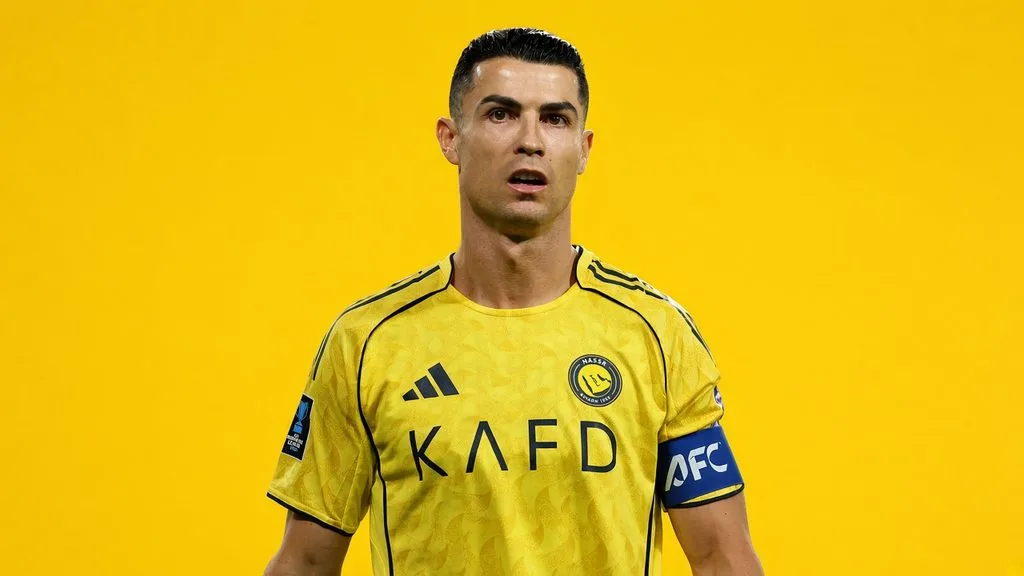
2016 to 2024—This period was a time of change for Al-Nassr. Sometimes the team did well in the domestic league, sometimes they tried to prove themselves in the AFC Champions League. However, the biggest chapter of this period began with the success of Abderrazak Hamdallah and later the arrival of Cristiano Ronaldo.
Hamdallah’s era
After joining Al Nassr, Moroccan forward Abderrazak Hamdallah quickly became one of the team’s most important players. His goal-scoring prowess, strong physical play and ability to take advantage of opportunities quickly made him a fan favorite.
His best period came in the 2018–19 season. Hamdallah scored 34 league goals that season. His goals played a major role in Al-Nassr winning the Saudi Pro League title. The team performed consistently throughout the season and finished the season at the top of the league.
Hamdallah’s 34 goals were not only important for the team, but also became a special record in terms of individual goals in a single season of the Saudi Pro League.
2019 and 2020 Super Cup
Even after winning the league, Al Nassr did not stop. In 2019, the team won the Saudi Super Cup. The following year, they won the same trophy in 2020. These consecutive successes further strengthened Al Nassr’s position in domestic football.
At that time, foreign players such as Talisca and Vincent Aboubakar also played important roles for the team. With the addition of Saudi players, Al-Nassr became a more competitive team.
The team also tried to do well on the Asian stage. Al Nassr reached the quarter-finals of the 2019 AFC Champions League. In 2020, they went one step further, reaching the semi-finals. Although they ultimately did not win the title, this performance increased the club’s international profile.
Arrival of Cristiano Ronaldo
The biggest change in Al-Nassr’s history came on December 30, 2022. That day, the club announced the signing of Cristiano Ronaldo.
The arrival of a world-famous player like Ronaldo to a Saudi club was big news. After his arrival, international interest increased not only in Al Nassr, but also in the entire Saudi Pro League. Football fans from different countries of the world started following Al-Nassr’s matches and Ronaldo’s performances.
Ronaldo’s influence can be seen in the club’s growing popularity, jersey demand and increased attention on social media.
2023 Arab Club Champions Cup
Ronaldo’s first major team trophy for Al-Nassr came in the 2023 Arab Club Champions Cup. Their opponent in the final was Al-Hilal.
Although Al-Nassr fell behind in the match, Ronaldo’s two goals turned the team around. His second goal came in extra time. In the end, Al Nassr defeated Al-Hilal 2–1 to win the title.
This trophy is particularly remembered as the first major team success of Ronaldo’s Al-Nassr career.
Star-studded Al-Nassr
Al-Nassr’s squad has grown stronger in the 2023–24 season. Ronaldo is joined by familiar players such as Sadio Mané, Otávio, Marcelo Brozović and Aymeric Laporte.
Mané adds pace and experience to the attack. Otávio adds creativity to the midfield. Brozović was instrumental in controlling the midfield, while Laporte adds experience to the defence.
With this team, Al Nassr collected 82 points in the Saudi Pro League. However, they failed to win the league title.
Ronaldo’s 35 goals and a new record
Ronaldo once again showed his goal-scoring prowess in the 2023–24 Saudi Pro League season. He won the Golden Boot with 35 league goals. These 35 goals set a new record for individual goals in the league in a single season.
This is where the stories of Hamdallah and Ronaldo come together. Hamdallah’s 34 goals in the 2018–19 season helped Al Nassr win the league title. A few years later, Ronaldo set a new record for the club with 35 goals.
After Hamdallah, Al-Nassr became even more talked about due to Ronaldo. After Ronaldo’s arrival, the interest of football fans around the world in the club’s matches and the Saudi Pro League also increased.
2024–2026: New era, 2025–26 League title and Ange Postecoglou
The years 2024 to 2026 saw several important changes within Al Nassr. The club made several changes to its coaching staff, squad and management structure. Efforts continued to strengthen the team around Cristiano Ronaldo. Several new foreign players also joined the squad.
In 2024, Stefano Pioli replaced Luís Castro as Al Nassr‘s head coach. At the same time, Mohamed Simakan, Ângelo Gabriel, Wesley and Bento joined the team. Bento added strength in goal, while Simakan provided a new option in defense. Wesley and Ângelo Gabriel added speed to the attack.
However, despite having a large squad, the consistency expected was not always achieved. So in 2025, the club’s management and football structure changed again. Majid Al-Jam’an, José Semedo and Simão Coutinho were added to important roles. At the same time, Jhon Durán also joined the team’s attack. His speed and power, with Ronaldo at the forefront, created new opportunities for Al-Nassr‘s attack.
Then in 2025, Jorge Jesus took over as head coach. Under this experienced coach, Al Nassr tried to organize their game more. The arrival of players such as João Félix, Iñigo Martínez and Kingsley Coman also increased the strength of the squad. Their combination with Ronaldo, Durán and other stars became important for the team.
The results were seen in the 2025–26 Saudi Pro League season. Al Nassr consistently performed well throughout the season and finished first in the 18-team League with 86 points. As a result, they won the 2025–26 Saudi Pro League title.
This title is a big part of the big success that the club wanted after bringing Ronaldo to the team. The team also showed this season that the title is not guaranteed just by having a star player. The League title was possible because of good squad planning, coaching and management working together.
In addition to the League, Al Nassr also performed well in the AFC Champions League Two. The team reached the final and faced Gamba Osaka of Japan. However, Al Nassr lost 1–0 in the final on 16 May 2026. As a result, the title went to Gamba Osaka.
In 2026, there was another change in the coaching setup. After Jorge Jesus left, Ange Postecoglou took over as the new head coach. Under Postecoglou, known for his attacking football, Al Nassr went on to reorganize their style of play. At the same time, Samú Costa joined the team as a new signing.
In 2026, the club also made changes to its management structure. Abdullah Al-Majid as President, José Semedo as Acting CEO and Simão Coutinho as Sporting Director played important roles. This structure plays an important role in player selection, football operations and future sporting plans.
After winning the 2025–26 League title, Al Nassr now has new goals. Their biggest challenge is to maintain their position in the Saudi Pro League, improve in the AFC competition and achieve success on the international stage. Ronaldo’s presence has increased the club’s popularity, but long-term success also requires new players, a strong squad and a good coaching structure.
Al-Nassr has started its journey again under a new coach after Ange Postecoglou took over. After changes in coach, players and management from 2024 to 2026, the 2025–26 League title gave the club new confidence. Now, Al Nassr aims to continue that success and move forward to greater achievements.
Al-Nassr’s Stadium, Jersey, Crest, Players, Records, Trophies and Legacy
Al-Nassr FC is one of the most well-known football clubs in Saudi Arabia. Founded in 1955, the club has become known beyond the borders of the country and in Asia and world football. The yellow-and-blue jersey, Riyadh supporters and stars like Majed Abdullah and Cristiano Ronaldo are a big part of Al Nassr’s identity.
Al-Awwal Park and Al-Nassr jerseys
Al-Nassr‘s familiar home ground is Al-Awwal Park in Riyadh, formerly known as King Saud University Stadium. Al-Awwal Park can accommodate around 26,000 spectators. During big matches, the stadium is transformed by the fans wearing yellow and blue jerseys.
One of Al-Nassr‘s most recognizable features is their yellow and blue jerseys. These two colors have been associated with the club’s identity for many years. The kit partnership with Adidas for the 2024–2027 period has also added a new dimension to the club’s identity.
The club’s crest or badge features a design of the Arabian Peninsula. The use of yellow and blue creates a beautiful match between the jersey and the badge. For fans, this crest is not just a logo, but a symbol of the club’s identity.
Star players and legends
The most talked about player of modern Al-Nassr is Cristiano Ronaldo. After his arrival, people’s interest in the club’s matches increased significantly outside of Saudi Arabia. In addition to Ronaldo, stars such as Sadio Mané, João Félix and Kingsley Coman have also joined Al-Nassr’s squad.
However, the club’s history is not only about current stars. Majed Abdullah is one of Al-Nassr’s greatest legends. This striker, who has played for the club for a long time, has created a special place for the fans with his goal-scoring ability.
Later, Mohammad Al-Sahlawi and Abderrazak Hamdallah also became important names in Al-Nassr’s scoring history. Hamdallah scored 34 League goals in the 2018–19 League season. Ronaldo also made his place in the team’s scoring history by scoring regularly after joining Al-Nassr.
Asian football and Club World Championship
Al-Nassr’s success in Asian football is also important in its history. In 1998, they won the Asian Cup Winners’ Cup and the Asian Super Cup in the same year. This success made the club more known outside of Saudi Arabia.
Al-Nassr represented Asia in the 2000 FIFA Club World Championship. In that tournament, they played against teams such as Corinthians, Real Madrid and Raja Casablanca. This participation increased their international profile. Al-Nassr also won the FIFA Fair Play Award in the tournament. During this time, the name “Al-Alami”, meaning “The Global One”, also became more familiar.
Al-Nassr’s major trophies
Al-Nassr’s notable achievements include 11 league titles, multiple King’s Cup titles, the Crown Prince Cup, the Federation Cup, the 1998 Asian Cup Winners’ Cup and Asian Super Cup, and the 2023 Arab Club Champions Cup.
In the 2023 final, Al-Nassr defeated Al-Hilal. Cristiano Ronaldo scored two goals in that match. More recently, Al-Nassr won the 2025–26 Saudi Pro League title after finishing the season with 86 points.
Al-Nassr’s Legacy
Al-Nassr’s legacy cannot be explained by trophies alone. Majed Abdullah’s legend, Hamdallah’s goal record, Asian football success, the 2000 Club World Championship and the presence of world stars like Cristiano Ronaldo—all of which have created a distinct identity for the club.
10 important questions and answers about Al-Nassr FC
Which country is Al-Nassr FC a club from?
Al-Nassr FC is a professional football club in Saudi Arabia. The club is based in the country’s capital, Riyadh. They currently play in the Saudi Pro League.
When was Al-Nassr FC founded?
Al-Nassr FC was founded on October 24, 1955. Although it started as a local team in Riyadh, the club has become one of the most well-known football teams in Saudi Arabia over time.
What is the name of Al-Nassr’s stadium?
The stadium was previously known as King Saud University Stadium and Mrsool Park.
What are the colors of Al-Nassr’s jersey?
Al-Nassr’s most recognizable jersey colors are yellow and blue. These two colors have been associated with the club’s identity for many years. The use of these colors can also be seen in the club’s logo.
When did Cristiano Ronaldo join Al-Nassr?
Cristiano Ronaldo joined Al-Nassr in late December 2022. After his joining, the club became more discussed not only in Saudi Arabia but also among football fans around the world.
Did Cristiano Ronaldo win the Saudi Pro League with Al-Nassr?
Yes. Ronaldo won the Saudi Pro League title for the first time with Al-Nassr in the 2025–26 season. In the last match, Al-Nassr won 4–1 against Damac, where Ronaldo scored two goals. With this victory, the club became league champions again after 2019.
How many times has Al-Nassr won the Saudi Pro League?
After winning the 2025–26 season, Al-Nassr has won 11 top-tier league titles. The club last won the league in the 2018–19 season.
Who is Al-Nassr’s greatest legend?
Majed Abdullah is considered one of Al-Nassr’s greatest legends. He scored numerous goals during his long career for the club and gained special popularity among the fans. Currently, Cristiano Ronaldo is also one of the club’s most talked-about players.
Why is Al-Nassr called “Al-Alami”?
One of Al-Nassr’s familiar nicknames is “Al-Alami”, which means “The Global One”. This identity became more associated with the club after its 1998 Asian success and representing Asia in the 2000 FIFA Club World Championship.
What are Al-Nassr’s greatest achievements?
Al-Nassr’s notable achievements include the Saudi Pro League title, the King’s Cup, the Crown Prince Cup, the 1998 Asian Cup Winners’ Cup and Asian Super Cup, and the 2023 Arab Club Champions Cup. Winning the Saudi Pro League in the 2025–26 season is also one of the club’s greatest achievements in recent history.
Al-Nassr has gone through many ups and downs since its inception in 1955. The era of Majed Abdullah, success in Asia, a comeback after difficult times, and the arrival of Cristiano Ronaldo—all in all, the club’s history is quite varied. Al-Nassr is now one of the most recognizable names in Saudi football, and it remains to be seen how successful the club will be in the future.

